Aioli Recipe for Sandwiches
Highlighted under: Busy Day Cooking
I love making homemade aioli because it adds a burst of flavor to any sandwich. The creaminess and garlic-infused richness elevate even the simplest ingredients. It's exhilarating to whip up this classic sauce from scratch, transforming ordinary lunches into gourmet experiences. With just a handful of ingredients, I create a spread that is both versatile and addictive. Every time I prepare it, I'm reminded of how easy it is to impress friends and family with this delicious homemade dip that complements everything from turkey to roasted vegetables.
I remember the first time I made aioli. I was skeptical that such a simple combination of garlic, egg yolk, and oil could create something so delightful. The trick is to add the oil slowly while whisking vigorously. This step is crucial to achieving that smooth, creamy texture. The fresh garlic adds a pungent kick, which is perfectly balanced by the richness of the egg yolk.
Experimenting with different flavors has become a fun challenge for me. Sometimes, I add lemon juice for a zesty touch, or even a hint of smoked paprika for a subtle smokiness. Each variation is a new adventure, enhancing the taste of whatever I'm pairing it with, whether it's a sandwich, a wrap, or even as a dip for veggies.
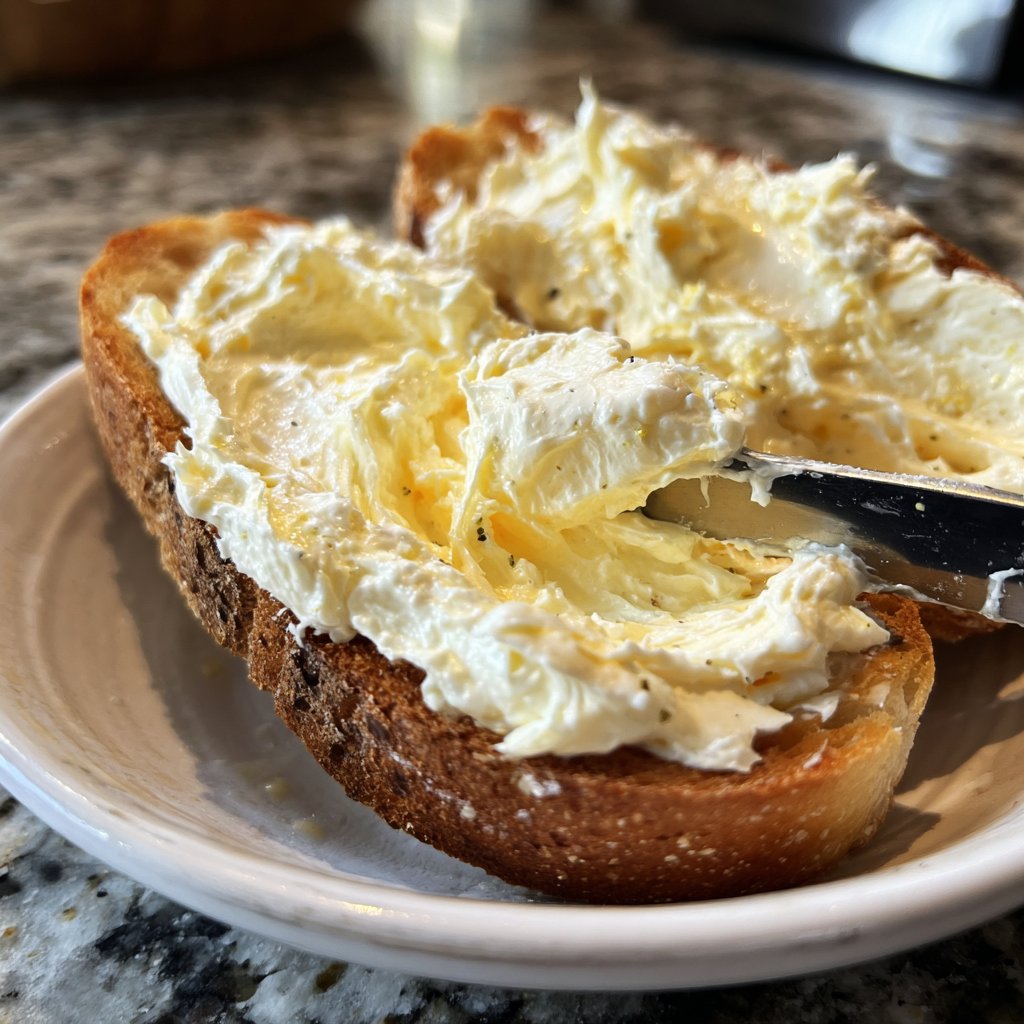
Why You'll Love This Aioli
- Simply delightful flavor that enhances any sandwich
- Customizable with herbs or spices for unique variations
- Easy to make with just a few quality ingredients
The Importance of Emulsification
Emulsification is the key to achieving that perfect creamy texture in aioli. When combining the oil and egg yolks, it’s vital to add the oil slowly at first. This ensures that small amounts of oil are effectively blended in, preventing the mixture from separating. I often start by adding just a few drops of olive oil while continuously whisking, which helps create a stable emulsion. Once the mixture begins to thicken and hold together, I gradually increase the oil's amount for a smooth finish.
If you find that your aioli is not thickening as expected, don't panic! This can happen if the oil is added too quickly or if the ingredients are too cold. To remedy this, try warming the bowl slightly or using room-temperature ingredients. Another tip: if the aioli does break, you can salvage it by whisking in a new egg yolk in a separate bowl and slowly adding the broken aioli to that mixture.
Flavor Enhancements
While the classic aioli is delightfully tasty, it can also be customized to cater to your palate. Consider incorporating fresh herbs like parsley, basil, or dill for a vibrant twist. A teaspoon of Dijon mustard can add a nice kick, while smoked paprika gives a delightful smokiness. Experimenting with different garlic varieties, like roasted garlic, can also bring a milder, sweeter flavor profile. Balancing these flavors can elevate your dips, making it fun to tailor aioli to different sandwiches and occasions.
I love to add a pinch of cayenne or chili flakes for a slight heat, especially when pairing with milder proteins like turkey or grilled veggies. You can also swap lemon juice for a splash of vinegar for a tangier note. Just remember to adjust the seasonings accordingly, always tasting as you go to ensure the perfect balance.
Storing and Using Aioli
Homemade aioli can be stored in an airtight container in the refrigerator for up to a week. If you prepare batches in advance, it can be a fantastic time-saver for busy weeknight meals or lunch prep. Just remember to allow it to come to room temperature before serving, as its texture can become quite firm when chilled. Stir it gently to rejuvenate the creaminess before using it in your sandwiches or as a dip for fresh vegetables.
For longer storage, aioli can be frozen, although its texture may slightly change upon thawing. To freeze it, spoon the aioli into ice cube trays, freeze until solid, and then transfer the cubes to a freezer bag. This way, you can grab just what you need for future meals, reducing waste and ensuring you always have this flavorful sauce on hand!
Ingredients
Ingredients for Aioli
Basic Ingredients
- 2 large egg yolks
- 1 cup olive oil
- 2-3 cloves garlic, minced
- 1 tablespoon lemon juice
- Salt to taste
Instructions
Steps to Make Aioli
Prepare the Base
In a mixing bowl, combine the egg yolks, minced garlic, and lemon juice. Whisk the mixture until it is well blended and slightly thickened.
Emulsify
While whisking continuously, begin to slowly drizzle in the olive oil. Start with just a few drops at a time to ensure the oil emulsifies properly with the egg mixture. Continue until all the oil is incorporated and the aioli is thick and creamy.
Season and Store
Add salt to taste. If desired, adjust the seasoning with more lemon juice or additional garlic. Transfer the aioli to an airtight container and refrigerate until ready to use.
Pro Tips
- For a richer flavor, consider using a mix of olive oil and a neutral oil. Make sure all ingredients are at room temperature for the best emulsification.
Serving Suggestions
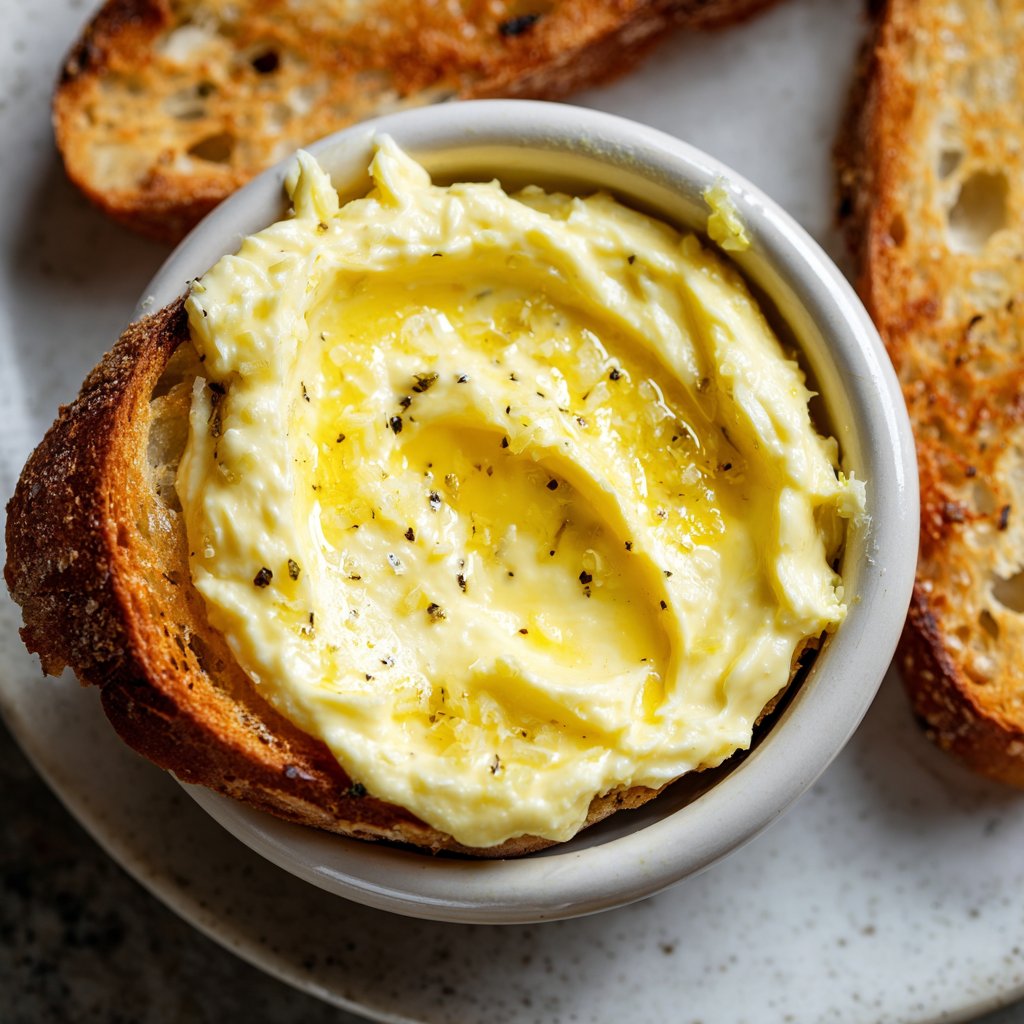
Aioli is a versatile condiment that can enhance a variety of dishes beyond sandwiches. I often use it as a dipping sauce for crispy vegetables, roasted potatoes, or even as a dressing for salads. Pair it with grilled meats for added richness or use it as a spread on wraps for a flavorful surprise. Its adaptability means it's just as comfortable on a charcuterie board as it is alongside fresh seafood.
Consider serving your aioli with a selection of bread—this works wonders for a simple yet impressive appetizer. A crusty baguette sliced into bite-sized pieces can create a perfect vessel for dipping. Additionally, adding a sprinkle of freshly chopped herbs on top adds visual appeal and flavor, making it a standout item at any gathering.
Dietary Modifications
If you're looking for a dairy-free or vegan option, aioli can also be made using aquafaba—the liquid from canned chickpeas—as a replacement for egg yolks. This not only maintains a similar creamy texture but aligns with plant-based diets. Simply whisk aquafaba until frothy before gradually adding the oil in the same way you would with egg yolks. By doing this, you can enjoy the rich flavors of aioli without compromising dietary preferences.
However, if you have an egg allergy or intolerance, the aquafaba version is a fantastic way to still indulge in the deliciousness of aioli. It maintains the rich flavor profile, allowing everyone to enjoy the spread without worry.
Questions About Recipes
→ Can I use a blender instead of whisking by hand?
Yes, a blender or food processor can make the process easier, but be sure to add the oil slowly.
→ How long can I store homemade aioli?
Homemade aioli can be stored in the refrigerator for up to one week.
→ Is it safe to eat aioli with raw egg yolks?
There is a risk associated with consuming raw eggs. Consider using pasteurized eggs for safety.
→ Can I make aioli without eggs?
Yes! You can substitute the egg yolk with ingredients like silken tofu or mayonnaise.
Aioli Recipe for Sandwiches
What You'll Need
Basic Ingredients
- 2 large egg yolks
- 1 cup olive oil
- 2-3 cloves garlic, minced
- 1 tablespoon lemon juice
- Salt to taste
How-To Steps
In a mixing bowl, combine the egg yolks, minced garlic, and lemon juice. Whisk the mixture until it is well blended and slightly thickened.
While whisking continuously, begin to slowly drizzle in the olive oil. Start with just a few drops at a time to ensure the oil emulsifies properly with the egg mixture. Continue until all the oil is incorporated and the aioli is thick and creamy.
Add salt to taste. If desired, adjust the seasoning with more lemon juice or additional garlic. Transfer the aioli to an airtight container and refrigerate until ready to use.
Extra Tips
- For a richer flavor, consider using a mix of olive oil and a neutral oil. Make sure all ingredients are at room temperature for the best emulsification.
Nutritional Breakdown (Per Serving)
- Calories: 150 kcal
- Total Fat: 16g
- Saturated Fat: 2g
- Cholesterol: 118mg
- Sodium: 50mg
- Total Carbohydrates: 2g
- Dietary Fiber: 0g
- Sugars: 0g
- Protein: 2g