Easy Korean Bibimbap: A Healthy Delight
Highlighted under: Fresh Start Meals
Experience the vibrant colors and delightful flavors of this Easy Korean Bibimbap recipe. Packed with fresh vegetables, tender proteins, and served over a fragrant base of rice, this nourishing dish is not only visually appealing but also gluten-free. Perfect for a quick weeknight dinner or meal prep, it's a wholesome option that celebrates the essence of Korean cuisine.
Bibimbap is a traditional Korean dish that means 'mixed rice'. It typically includes a variety of sautéed vegetables, marinated meat, and a fried egg, all served over rice and topped with gochujang (Korean chili paste).
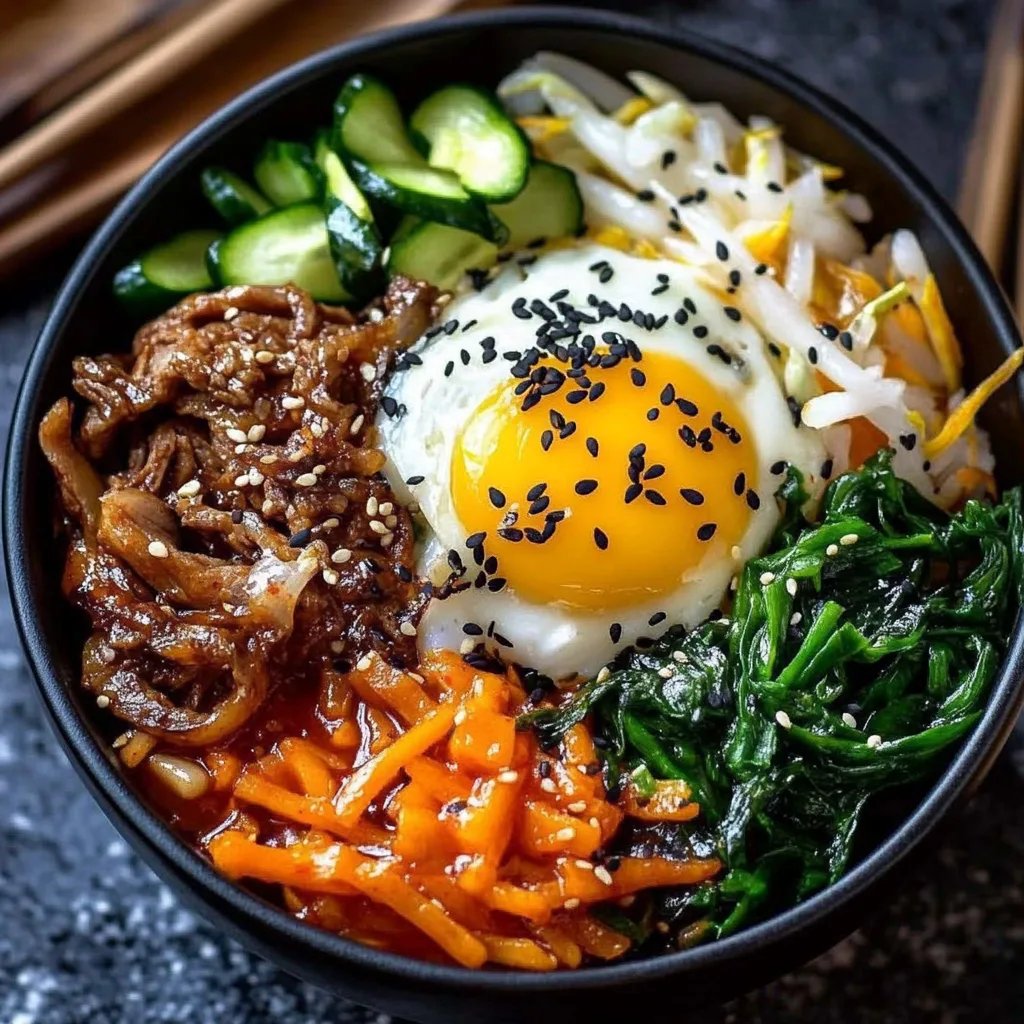
The History of Bibimbap
Bibimbap, which translates to 'mixed rice,' is a traditional Korean dish that has been enjoyed for centuries. Originating from the Korean concept of honoring food with its various colors and flavors, bibimbap brings together an array of ingredients that not only satisfy the palate but also provide nutritional benefits. Historically, this dish was served to royalty and used as a way to showcase the season's best produce, representing the balance and harmony found in Korean cooking.
The dish typically includes a base of rice topped with assorted vegetables, protein, and a spicy sauce, usually gochujang. Over time, bibimbap has evolved, with regional variations arising across Korea, showcasing local ingredients. For example, Jeonju bibimbap is renowned for its variety of vegetables and the addition of sesame oil, while Yongdong’s version features more robust flavors and unique ingredients.
Today, bibimbap is cherished not just in Korea but worldwide, loved for its adaptability and vibrant presentation. It serves as a great example of how food can be both nourishing and culturally significant, maintaining its roots while appealing to contemporary diets.
Nutritional Benefits of Bibimbap
Bibimbap stands out as a nutrient-dense meal thanks to its diverse ingredients. The combination of fresh vegetables provides a rich source of vitamins and minerals, which are essential for overall health. Spinach and carrots, for instance, are high in antioxidants and fiber, offering various health benefits, including improved digestion and enhanced immunity.
Including lean proteins such as chicken and eggs in bibimbap boosts its muscle-repairing qualities, making it an excellent option for post-workout nourishment. The healthy fats from sesame oil and seeds also contribute to heart health and provide a satisfying flavor that ties together this wholesome meal.
Moreover, bibimbap is naturally gluten-free, making it suitable for those with dietary restrictions. This flexibility allows it to be easily adapted for vegetarian or vegan diets by simply swapping out the protein sources without sacrificing flavor or nutritional value. Eating bibimbap is not just a feast for the eyes; it’s a step towards a balanced lifestyle.
Tips for Perfecting Your Bibimbap
To achieve a delightful bibimbap experience, focus on the freshness of your ingredients. Opt for seasonal vegetables when possible, as they offer the best flavor and nutritional content. For those pressed for time, consider prepping ingredients in advance, allowing for a quick and easy assembly during busy weeknights. The beauty of bibimbap is its customization; feel free to mix and match vegetables based on your personal preferences or what you have on hand.
When it comes to the cooking methods, try to maintain the crunchiness of the vegetables by sautéing them for a short time, leaving them vibrant and full of nutrients. Avoid overcooking; that way, you'll preserve the colors and flavors, making the final dish more appealing. Additionally, frying the eggs sunny side up adds a delicious richness when the yolk runs into the rice, enhancing the overall taste.
Lastly, don't skimp on the sesame oil and gochujang. These ingredients provide essential flavor and spice, ensuring your bibimbap is both authentic and satisfying. Adjust the amount according to your heat tolerance, and remember that these garnishes can make or break your dish, giving it that final burst of flavor.
Ingredients
Gather the following ingredients to prepare this delicious dish:
Vegetables
- 1 cup spinach, blanched
- 1 cup carrots, julienned
- 1 cup zucchini, julienned
- 1 cup shiitake mushrooms, sliced
- 1 cup bean sprouts
Proteins
- 1 cup cooked chicken, sliced
- 2 eggs, fried
Base
- 2 cups cooked rice
Garnish
- Gochujang to taste
- Sesame oil for drizzling
- Sesame seeds
Make sure all your ingredients are prepped and ready to go!
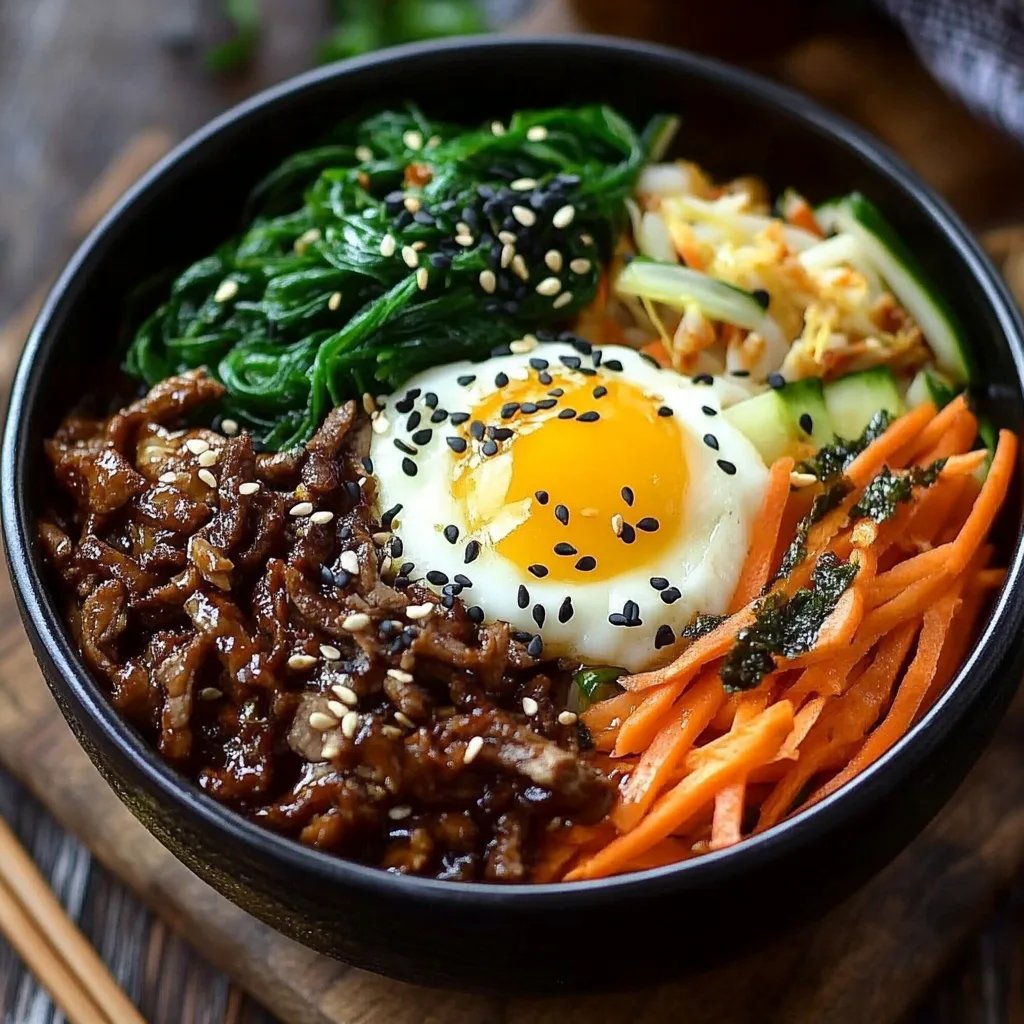
Instructions
Follow these steps to create your easy Korean bibimbap:
Prepare the Vegetables
Blanch the spinach and sauté the carrots, zucchini, mushrooms, and bean sprouts separately until tender.
Cook the Chicken
If using raw chicken, grill or sauté it until cooked through and slice into strips.
Fry the Eggs
In a hot pan, fry the eggs sunny side up.
Assemble the Bibimbap
In a bowl, start with a base of rice, add the sautéed vegetables and chicken, and top with a fried egg.
Add Garnishes
Drizzle sesame oil and add sesame seeds and gochujang to taste.
Mix everything together before enjoying for the best experience!
Pro Tips
Feel free to customize your bibimbap with different proteins or veggies based on your preference.
Serving Suggestions
Bibimbap can be served as an impressive standalone dish. However, if you're hosting a gathering or looking to elevate your dining experience, consider pairing it with traditional Korean sides like kimchi or pickled vegetables. These accompaniments will enhance the overall feast with their tangy flavors, contrasting beautifully with the rich, savory notes of the bibimbap.
For a complete meal experience, serving a light soup, such as miso or seaweed soup, can round out the flavors. The warmth of the soup complements the freshness of the bibimbap, creating a satisfying balance on the palate. This combination is ideal for family dinners or casual get-togethers, making it easy to impress your guests.
Storing and Meal Prep Tips
If you find yourself with leftover bibimbap, don't worry! It stores well in the refrigerator for up to three days. However, it’s best to keep the components separate to maintain their textures. Store the rice, vegetables, and proteins in airtight containers to prevent spoilage and retain flavors. When you're ready to enjoy your meal again, simply reheat each component and assemble the bibimbap fresh.
For meal prep, consider preparing larger batches of the base ingredients. Cook a big pot of rice and sauté a variety of vegetables at once. This way, you can mix and match throughout the week, creating different flavor combinations each day. Additionally, prepping gochujang sauce in advance will allow you to add a burst of flavor to your meals effortlessly. Successful meal prep not only saves time but also makes healthy eating more approachable.
Questions About Recipes
→ Can I make bibimbap vegetarian?
Yes! Simply omit the meat and add extra vegetables or tofu.
→ How can I store leftovers?
Store components separately in airtight containers in the fridge for up to 3 days.
Easy Korean Bibimbap: A Healthy Delight
What You'll Need
Vegetables
- 1 cup spinach, blanched
- 1 cup carrots, julienned
- 1 cup zucchini, julienned
- 1 cup shiitake mushrooms, sliced
- 1 cup bean sprouts
Proteins
- 1 cup cooked chicken, sliced
- 2 eggs, fried
Base
- 2 cups cooked rice
Garnish
- Gochujang to taste
- Sesame oil for drizzling
- Sesame seeds
How-To Steps
Blanch the spinach and sauté the carrots, zucchini, mushrooms, and bean sprouts separately until tender.
If using raw chicken, grill or sauté it until cooked through and slice into strips.
In a hot pan, fry the eggs sunny side up.
In a bowl, start with a base of rice, add the sautéed vegetables and chicken, and top with a fried egg.
Drizzle sesame oil and add sesame seeds and gochujang to taste.
Extra Tips
Feel free to customize your bibimbap with different proteins or veggies based on your preference.
Nutritional Breakdown (Per Serving)
- Calories: 500
- Protein: 25g
- Carbohydrates: 70g
- Fat: 15g