Backyard Walk In Chicken Run
Highlighted under: Global Dining at Home
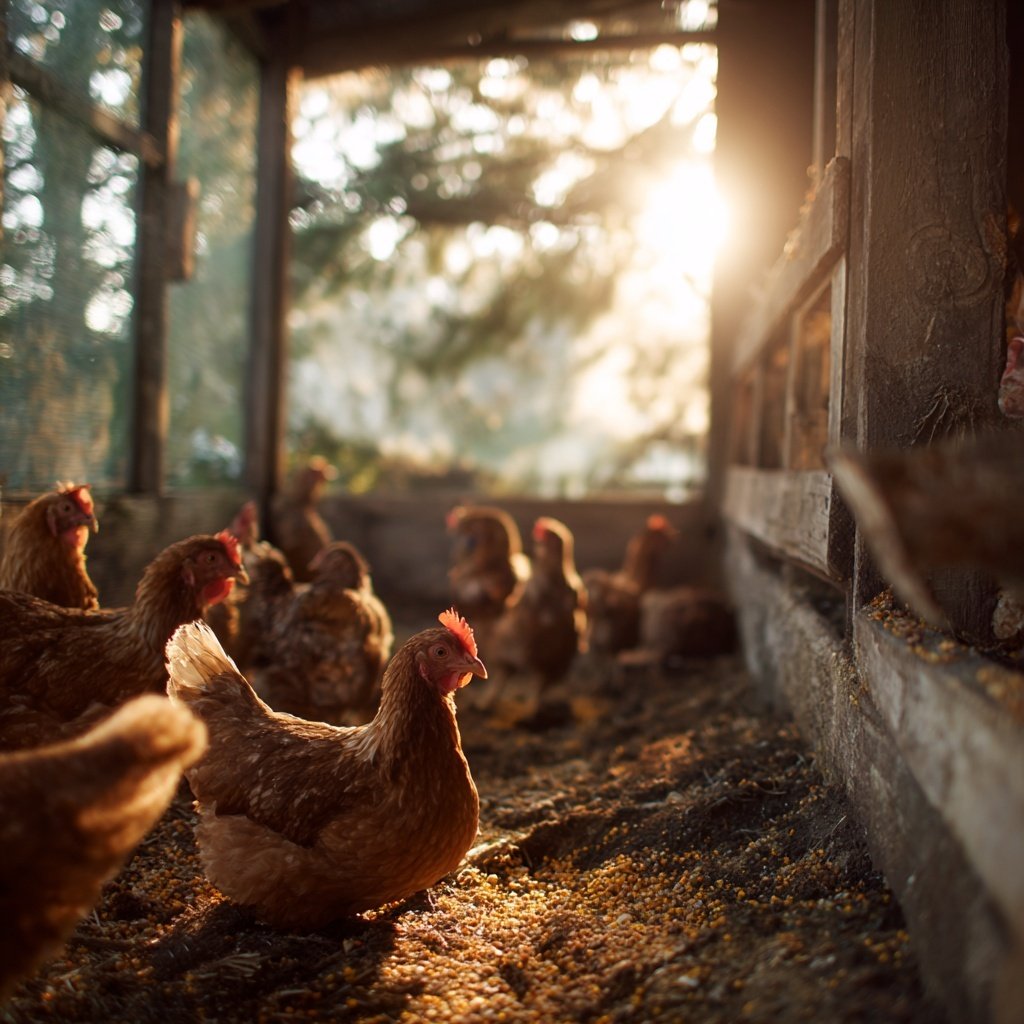
I’ve always dreamed of having a functional yet charming setup in my backyard, and building a walk-in chicken run was the perfect solution for my feathered friends. This project not only provides them with ample space to roam but also makes it easier for me to tend to them comfortably. Constructing the run was a labor of love, and I was pleasantly surprised at how straightforward it turned out to be. I can't wait to share this project with you, as my chickens are now happier and healthier in their new environment.
Building my backyard chicken run was an exhilarating experience! It all started with a vision of creating a safe and spacious environment for my chickens to thrive. I researched various designs and ultimately decided on a walk-in style, allowing for easy access and maintenance. The best part? Watching my chickens enjoy their new space has been so rewarding, and I can finally keep up easily with their needs.
One key detail I learned during the process was the importance of proper ventilation and protection against predators. I installed sturdy fencing and used wooden posts for structural stability. This not only enhances the aesthetics but also ensures the safety of my chickens, giving me peace of mind as they roam freely.
Why You'll Love This Project
- Creates a secure and spacious environment for your chickens
- Easy access for feeding and cleaning without stooping or bending
- Provides a great way to engage with your backyard chickens
- Enhances the aesthetics of your backyard
Design Considerations
When planning your walk-in chicken run, think about both functionality and aesthetics. It's important to factor in the size of your chickens and the number of birds you plan to keep. Aim for at least 10 square feet per bird to prevent overcrowding. Consider adding features such as shade areas, dust bathing spots, and even a small water source to ensure your chickens remain engaged and healthy.
The design should also take into account your own comfort. A taller run allows for easy access without bending or stooping. I recommend making the height at least 6 feet, which not only makes it comfortable for you but can also deter potential predators. Additionally, think about the location of the run; placing it in a sunny area can help keep the environment warm and dry.
Building Techniques
Setting wooden posts can be tricky, but it’s crucial for stability. After digging the post holes, ensure the posts are straight by using a level. Pour the concrete mix according to the package instructions, and let it cure for at least 24 to 48 hours. This will provide a solid foundation, preventing the structure from leaning or collapsing under pressure.
When attaching the wire fencing, be mindful of how tightly you secure it. A well-stapled fence not only improves security but also prevents sagging that can create weak spots. Remember to bury the bottom of the fencing at least 12 inches underground or use a chicken wire apron to thwart digging predators that might be tempted to tunnel in.
Enhancing Your Run
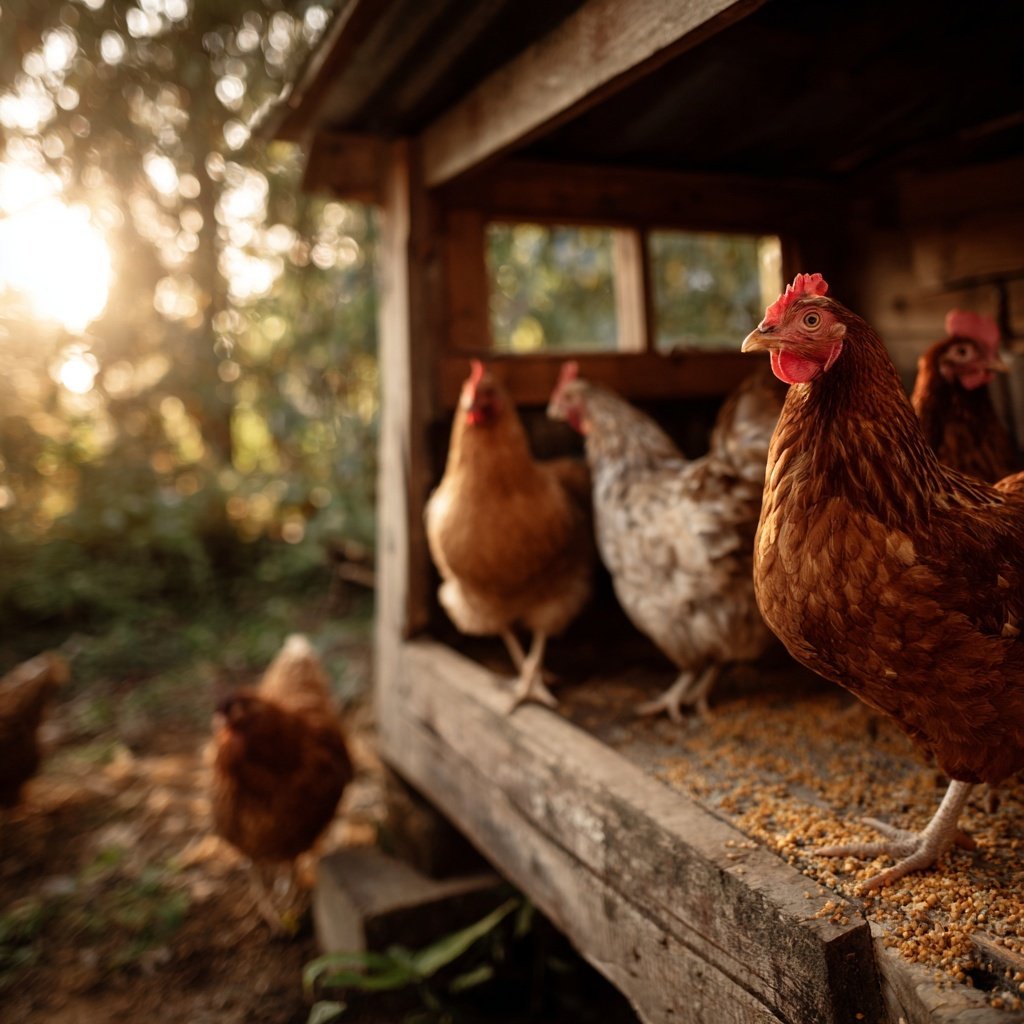
To make the chicken run more inviting, consider adding elements such as nesting boxes or perches. Position the nesting boxes at least 18 inches off the ground to promote a clean space and minimize pest access. Using untreated wood for these boxes is ideal, as it’s safer for your birds. I’ve noticed my chickens prefer thicker perches that are at least 2 inches wide, providing them comfort while roosting.
You can also add landscaping elements outside the run to blend it into your backyard’s natural beauty. Planting herbs or flowers around the perimeter adds a lovely touch while providing natural insect deterrents. Just be cautious to choose plants that are safe for chickens, as some common garden plants can be toxic to them.
Ingredients
Gather the following materials before you start building your backyard chicken run:
Materials
- Wooden posts (4x4 inches)
- Wire fencing (1-inch squares)
- Roofing material (e.g., corrugated metal or shingles)
- Hinges and gate latch
- Screws and nails
- Concrete mix (for setting posts)
- Treated lumber for framing
Tools
- Drill
- Saw
- Measuring tape
- Level
- Hammer
- Post hole digger
Make sure to organize your materials and tools for a smoother building process!
Instructions
Follow these steps to create your own cozy chicken run:
Plan Your Design
Decide the dimensions of your run based on the number of chickens you'll have. A general rule of thumb is 10 square feet per bird for the run.
Prepare the Area
Clear the space where the chicken run will be built. Ensure it's level and free of debris.
Set the Posts
Using a post hole digger, dig holes deep enough to secure your wooden posts. Mix and pour concrete to set each post, ensuring they are level.
Install the Fencing
Attach the wire fencing to the posts using staples or fencing clips. Make sure the bottom of the fencing is buried underground to prevent predators from digging in.
Construct the Roof
Add roofing material on top of the run to provide shade and protection from rain. Ensure it is securely fastened.
Add Access Points
Install a gate using hinges and a latch for easy access. Ensure it is secure to protect your chickens.
Finishing Touches
Add nesting boxes and perches inside the run to make it comfortable for your chickens. Decorate the outside for a charming backyard look!
Once you complete the construction, watch your chickens enjoy their new home and thrive in their environment!
Pro Tips
- When planning your chicken run, consider aspects such as shade and shelter for hot weather, as well as protection against cold winds in winter. Providing enrichment like branches or toys can help keep the chickens entertained and healthy.
Maintenance Tips
Regular maintenance of the run is crucial for your chickens' health and happiness. Aim to clean the area at least once a week, removing droppings and uneaten food to prevent pests and disease. Implementing a layer of sand in the run can help with drainage and make cleanup easier.
Check the fencing regularly for any signs of wear or damage. Given that predators can be clever, repairing any holes or loose sections immediately can save you from potential losses. If you notice the ground becoming muddy, consider adding a layer of wood chips or straw to improve drainage and provide additional comfort.
Seasonal Adjustments
Depending on your climate, adjustments may be necessary for your chicken run. In colder months, providing additional shelter like tarps can keep your chickens warm and dry. You might also consider adding extra bedding inside the run, such as straw, which can help insulate and maintain warmth.
During hot weather, ensure ample shade and fresh water are available. Chickens can become overheated, so providing a misting system or a shaded area is important. It’s also beneficial to check the temperature regularly, especially in the summer, to gauge whether your chickens need additional cooling measures.
Cost-Effective Solutions
Building a walk-in chicken run can be done economically by sourcing materials locally or reusing materials from old projects. Look for used fencing or gather rocks for a natural border instead of purchasing new. This approach not only saves money but also adds rustic charm to your setup.
To cut costs on roofing materials, consider repurposing old pallets or finding lightweight corrugated roofing sheets that are less expensive than traditional shingles. I’ve found that creativity in sourcing materials can make the project rewarding while staying within budget.
Questions About Recipes
→ How large should my chicken run be?
Aim for at least 10 square feet per chicken to ensure they have enough space to move around comfortably.
→ What kind of materials are best for a chicken run?
Use sturdy materials like wood and galvanized fencing that can withstand outdoor conditions and keep predators out.
→ How can I maintain the chicken run?
Regularly check the fencing for holes, clean the area of waste, and replenish bedding materials as needed.
→ Do I need a roof on my chicken run?
Yes, a roof can protect your chickens from predators and harsh weather, providing a safe place for them to enjoy outdoors.
Backyard Walk In Chicken Run
Created by: Lucy Price
Recipe Type: Global Dining at Home
Skill Level: Intermediate
Final Quantity: 1 chicken run
What You'll Need
Materials
- Wooden posts (4x4 inches)
- Wire fencing (1-inch squares)
- Roofing material (e.g., corrugated metal or shingles)
- Hinges and gate latch
- Screws and nails
- Concrete mix (for setting posts)
- Treated lumber for framing
Tools
- Drill
- Saw
- Measuring tape
- Level
- Hammer
- Post hole digger
How-To Steps
Decide the dimensions of your run based on the number of chickens you'll have. A general rule of thumb is 10 square feet per bird for the run.
Clear the space where the chicken run will be built. Ensure it's level and free of debris.
Using a post hole digger, dig holes deep enough to secure your wooden posts. Mix and pour concrete to set each post, ensuring they are level.
Attach the wire fencing to the posts using staples or fencing clips. Make sure the bottom of the fencing is buried underground to prevent predators from digging in.
Add roofing material on top of the run to provide shade and protection from rain. Ensure it is securely fastened.
Install a gate using hinges and a latch for easy access. Ensure it is secure to protect your chickens.
Add nesting boxes and perches inside the run to make it comfortable for your chickens. Decorate the outside for a charming backyard look!
Extra Tips
- When planning your chicken run, consider aspects such as shade and shelter for hot weather, as well as protection against cold winds in winter. Providing enrichment like branches or toys can help keep the chickens entertained and healthy.
Nutritional Breakdown (Per Serving)
- Calories: 0 kcal
- Total Fat: 0g
- Saturated Fat: 0g
- Cholesterol: 0mg
- Sodium: 0mg
- Total Carbohydrates: 0g
- Dietary Fiber: 0g
- Sugars: 0g
- Protein: 0g